About

How I think about systems, software, and long-term engineering.

Orientation

How I approach systems

Engineering problems rarely fail because of code. They fail when the system stops being understood.

I work in the space where requirements are incomplete, systems are already under load, and decisions quietly compound over time. My focus is on turning ambiguity into structure, and structure into systems that people can trust, extend, and reason about long after the first version ships.

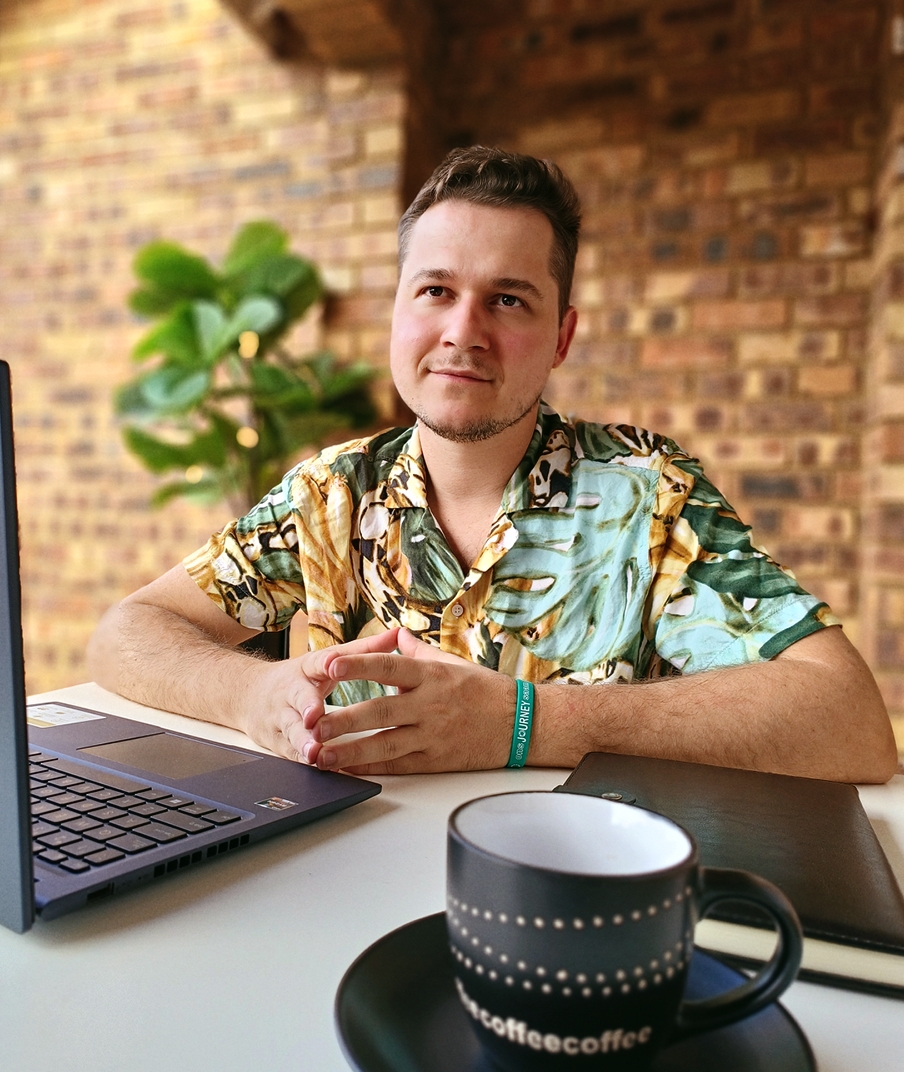
Portrait
Practice

What I do

I design and build backend systems with an emphasis on longevity, traceability, and calm.

Shaping ambiguity

I take loosely defined problem spaces and shape them into clear, explicit domain models with predictable behavior.

Designing for extension

I build APIs and services that favor clarity over cleverness, making systems easier to operate and safer to evolve.

Operational clarity

I treat observability — logs, metrics, and error signals — as first-class parts of the architecture, not afterthoughts.

Leaving systems better

I leave behind systems that other engineers can extend without guessing at intent or reverse-engineering decisions.

Mental model

Systems thinking

I believe good systems feel inevitable once you understand them. That inevitability comes from clear boundaries, consistent naming, and flows that match the mental model of the problem being solved.

I prefer explicit designs over implicit magic. When something fails, it should fail loudly and informatively — not silently or mysteriously.

I think of extensibility as a form of respect: for future engineers, for changing requirements, and for the reality that no system is ever truly “done”.

Trajectory

Background

I’ve worked across South Africa, Germany, and the United States, mostly in environments where systems were evolving faster than their documentation. That’s the space I’m most comfortable in — where architectural decisions matter and clarity becomes a force multiplier.

That work has been deeply collaborative. I’ve worked with distributed, culturally diverse teams across regions including the Middle East, North Africa, Eastern Europe, and North America — often asynchronously, often under real operational pressure.

I’m a self-taught developer without a formal computer science degree. That path wasn’t an omission so much as a consequence of learning by building, shipping, and supporting real systems.

Worked with teams across

🇿🇦🇩🇪🇺🇸🇦🇪🇩🇿🇦🇱🇸🇮🇧🇬🇨🇦

Operating comfortably across

AWSGoogle Cloud PlatformFirebaseSaaS platforms
JavaScriptTypeScriptCore languages
Node.jsReactNext.jsApplication frameworks
OpenAI / ChatGPTAI-assisted tooling
Location

Where I’m based

This work is rooted in Centurion, within South Africa’s Gauteng region.

Centurion · Gauteng · South Africa
Constraints

What I care about

Design goals

Clarity over cleverness

Designs that can be understood quickly and reasoned about under pressure.

Explicit contracts

Clear boundaries and predictable behavior between systems and components.

Operational calm

Systems that behave sensibly when things go wrong, not just when they go right.

Long-term compounding

Foundations that make future work easier instead of silently adding friction.

Design anti-patterns

Hype-driven architecture

Technology choices made for novelty rather than clear, contextual need.

Implicit behavior

Critical logic that only exists in someone’s head or undocumented conventions.

False velocity

Short-term speed that hides long-term cost and fragility.

Hero systems

Systems that only function because one person knows how everything works.

Alignment

Where I fit best

I work best in environments where decisions have weight, systems are expected to endure, and trade-offs are taken seriously.

When clarity, responsibility, and long-term thinking are valued, good engineering stops being performative and starts being foundational.